
At Florida Digital Implants, we offer a comprehensive suite of dental implant solutions to help you restore your smile with a natural and long-lasting result. Dr. Justin Elikofer, and Dr. Sara Sheffield specialize in creating personalized treatment plans that cater to your unique needs. Call 813-972-9077 to learn more about dental implants in Tampa or to schedule a consultation with our experienced dentists!
Dental Implants Tampa
Premier Solutions Lead to Longer, Healthier Smiles

Why Choose Florida Digital Implants for Dental Implants?
- Entire Treatment Completed Under 1 Roof
- Team of Highly Experienced & Trained Dentists
- 3D Computer-Guided Dental Implant Placement
What Are Dental Implants?
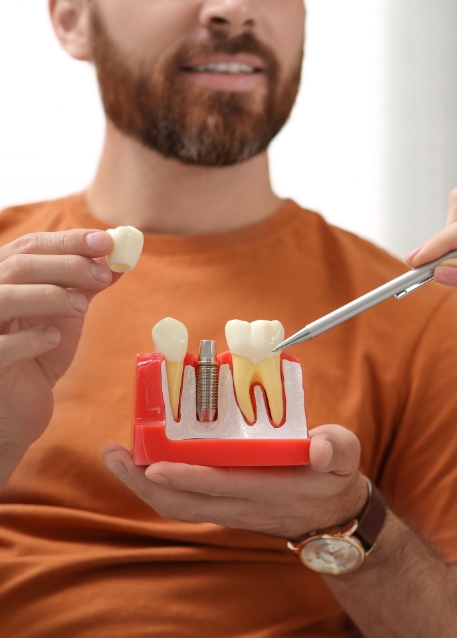
Dental implants are small titanium posts that function like regular tooth roots. Fusing with the jawbone, they deliver stimulation to the bone each time you chew, preventing shrinkage over time. This not only alleviates the concern of additional tooth loss but also keeps facial features in place (not sagging). Dental implants are highly versatile, which means they can support crowns, bridges, or dentures and last decades or even a lifetime.
The 4-Step Dental Implant Process
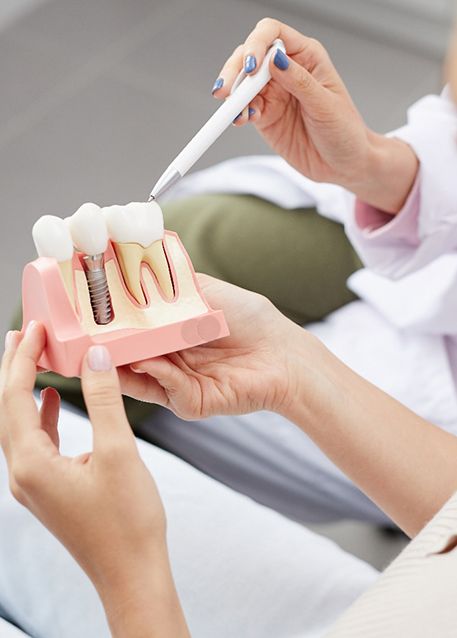
Getting dental implants differs from other treatments for tooth loss, such as dentures or dental bridges, because it involves multiple visits over a period of several months to complete. Many patients are surprised to learn this and have questions about why there’s a lengthier wait time.
But this period is for recovery following your oral surgery, which the alternative solutions don’t require. Continue reading to learn more about the step-by-step process of getting dental implants to gain a better understanding of what to expect!
Initial Dental Implant Consultation
Many experts consider this treatment the ideal way to replace missing teeth because of its unique advantages. However, before proceeding, you must consult one of our providers to determine whether you’re a good candidate.
For example, our team will examine your mouth to ensure your connective tissues and jawbone are strong and healthy enough to support your restoration. Some patients require additional procedures, such as a bone graft to bulk up their jaw, before they can successfully receive dental implants.
Dental Implant Surgery
Dr. Elikofer and Dr. Holcombe have both completed the required training and certifications to both place and restore dental implants in the office for your convenience. On the day of your oral surgery, our team will begin your procedure by applying a local anesthetic to numb the area. We also offer various options for sedation to help you remain calm and comfortable.
Next, we’ll make an incision in your gums to strategically place the post of your restoration into your jawbone and suture your tissues closed. We also typically put a small, protective cap over this rod to prevent potential damage during recovery.
Dental Implant Osseointegration & Abutment
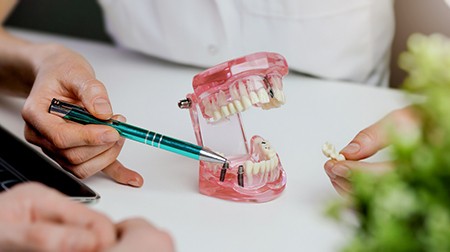
Once your gums have healed sufficiently following your surgery, you will need to have a second, more minor procedure to attach the abutment, or connector piece, to the support rod placed in your jawbone.
Then, when your tissues have mended, our team will make impressions of your mouth that will be used to design your completely customized restoration. This information is sent to a special dental laboratory that uses it to begin building your new tooth.
Delivery of Dental Implant Restoration(s)

Once your restoration is delivered, our team will schedule a final fitting to attach it to your implant. This part of the process is often so straightforward that there’s no need for numbing, though you can request an anesthetic or sedation if necessary.
Once your new tooth is cemented over your implant, we’ll check that it fits correctly and that your teeth touch together as intended when you bite down. If everything looks good, we can send you home with your beautifully rebuilt smile!
Benefits of Dental Implants
From their day-to-day function to their 30+ year lifespan, the benefits of dental implants are unlike anything else. That’s why they are considered the gold standard in tooth replacement! If you are ready to face tooth loss head-on, then read on to learn a few of the many perks that you’ll enjoy if you choose to rebuild your smile with dental implants.
Day-to-Day Benefits

Let’s start with the benefits of dental implants in Tampa that you’ll likely notice first:
- Lifelike Appearance – Unlike other tooth-replacement options, dental implants are secured to the jawbone. As a result, they look and feel like the real thing. So, you won’t have to worry about unwanted attention being drawn to your smile!
- Restored Bite Force – Are you tired of eating the same bland, boring foods on repeat? If so, we have good news: dental implants can restore the strength of your bite that you lost. So, you’ll be able to eat the foods you love again.
- Easy Maintenance – With dental implants, there’s no need to purchase expensive products. Just use the same best practices you use to keep your natural teeth healthy, like brushing twice a day, flossing consistently, and scheduling a dental visit every six months.
Health Benefits

Another reason this smile-rebuilding solution is so loved is that it can positively impact your oral and overall health in the following ways:
- Preserves the Alignment of Your Bite – Have you heard of dental drift? If not, it’s when the teeth surrounding the gap begin to move. Fortunately, dental implants can help prevent that from happening, reducing your risk of premature wear and trouble chewing in the process.
- Prevents Bone Loss – While other tooth-replacement options rest against the gums or surrounding teeth, dental implants are inserted into the jawbone. The stimulation that occurs when you chew reduces the chances of tooth and bone loss over time.
- Allows You to Eat a Varied Diet – Being able to eat a variety of foods is not only more enjoyable; it also ensures that your body gets the vitamins, minerals, and nutrients it needs to thrive.
Long-Term Benefits

Dental implants also come with several long-term benefits, including that they:
- Help Preserve a Youthful Appearance – The stimulation when you chew doesn’t just prevent bone loss. It also helps preserve your youthful face shape!
- Have a Long Lifespan – Due to the root-to-crown tooth replacement, dental implants accomplish what dentures and dental bridges cannot: permanence and greater longevity. In fact, they can last for several decades with proper care.
- Are Cost-Effective – Oftentimes, patients assume that dental implants are the most expensive. However, they are usually the longest lasting as well. So, there’s a good chance that they are the best choice for your wallet in the long run.
Who Dental Implants Can Help
If you are without one or more teeth, there is a good chance you will be considered a candidate for dental implants. However, your ability to undergo surgery right away may not be an option. If during your consultation we find that you have existing tooth decay or gum disease, we’ll need to administer the necessary form of treatment right away. If your jawbone lacks the essential density to support your new teeth, we will recommend a bone graft.
These preliminary procedures are not uncommon. If you are recommended for one or more, don’t be alarmed, as they will help to set your oral anatomy up for greater success once your dental implants are put in place.
Missing One Tooth
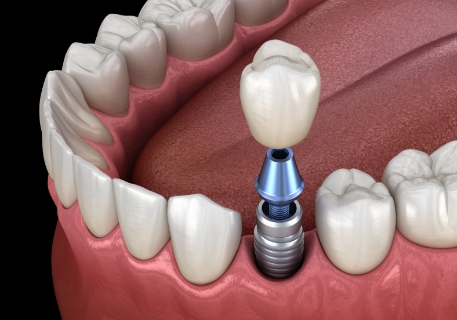
When missing only one tooth, we can use a single tooth dental implant to restore the root-to-crown structure while continuing to deliver optimal stimulation to the jawbone. This will improve your ability to eat and speak while also generating greater confidence in daily life.
Missing Multiple Teeth
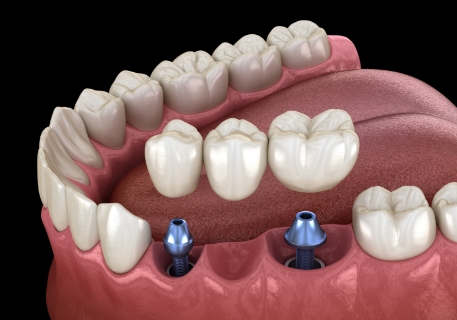
Having two or more missing consecutive teeth along an arch can be treated with the help of two dental implants and a customized implant bridge. Instead of altering healthy abutment teeth, we can fill in the gap by placing the implant posts into the exterior sockets and allowing the remaining teeth to rest on top of the gums for a complete look.
Missing All of Your Teeth
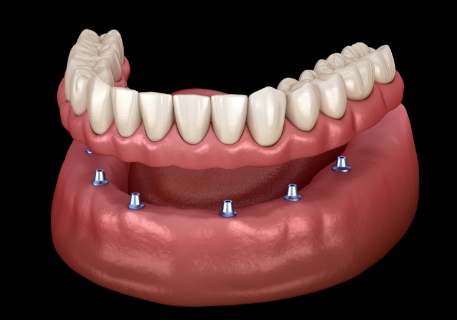
Having no teeth in the upper or lower arch can be problematic when trying to complete daily tasks; however, an implant denture can change all of that. Using between 4 and 6 implant posts, a customized denture can be secured on top to not only instantly restore the look of your smile but also create better oral function.
Learn More About All-On-4 Dental Implants
Understanding the Cost of Dental Implants

It’s only natural to have questions about getting dental implants, and one of the first things many patients want to know is how much their treatment might cost. However, our team cannot provide an accurate estimate until we’ve examined your condition because it depends significantly on your unique circumstances.
Continue reading to learn more about different factors that can influence the cost of dental implants and how we help make treatments more affordable!
Preliminary Treatments & Dental Implant Surgery

Some patients require additional services, such as tooth extractions, gum disease therapy, or a bone graft procedure, to improve their dental condition sufficiently to proceed with implants. You’ll be responsible for paying for any necessary preliminary treatments.
Then, you must also cover your oral surgery itself, which has its own pricing structure. Thankfully, our team has the expertise and state-of-the-art equipment to place and restore your new teeth in the office, so there’s no need to pay an outside provider for the procedure.
The Parts of Your Dental Implant
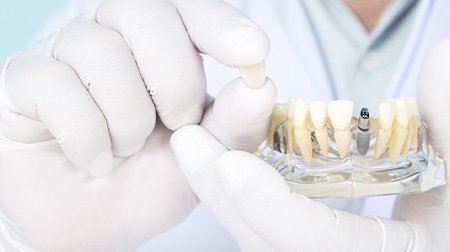
The cost of your restoration can also be influenced by various factors, such as:
- The number needed. Patients paying for multiple implants can expect a higher invoice than those who only need one.
- Type of restoration. Dental crowns, bridges, and dentures can all be anchored to implants to restore your smile, each with its own associated rates.
- Materials used. Your prosthetic can be made from different options, such as titanium or zirconia, which can potentially affect the total cost.
- Different manufacturers create these restorations to meet the unique needs of their clients, which can also influence the final invoice.
How Dental Implants Are a Cost-Effective Solution
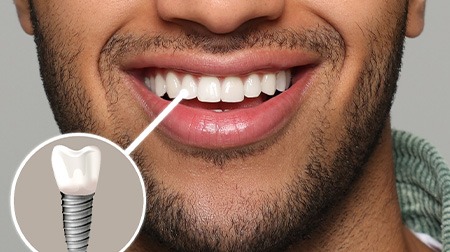
This service tends to cost more initially than alternative treatments for tooth loss, such as dentures or bridges. However, they also offer unique advantages that help them pay for themselves over time.
For instance, only dental implants prevent the jawbone degeneration caused by tooth loss, helping support your dental health and facial structure. Not only that, but they’re so firmly rooted that they can be brushed and flossed in your mouth, so there’s no need to regularly invest in additional accessories, such as adhesives, special pastes, or soaking solutions, which can add up. Finally, because your new teeth are so strong and resilient, they’re less likely to be damaged, reducing the necessity of costly repairs or replacements.
Does My Dental Insurance Cover Dental Implants?

Our team is happy to work with your insurance policy to help you maximize any available benefits, but unfortunately, many of these plans exclude dental implants because they’re categorized as a luxury rather than as a necessity. With that said, your plan might cover different aspects of your visit, such as the examination or required imaging, to help reduce out-of-pocket expenses.
But every plan is different and there may be exceptions, so it’s worth verifying your information before proceeding. Our team is happy to help answer any additional questions you may have or assist with insurance claims and paperwork.
Making Dental Implants Affordable

We understand that not all patients carry dental insurance, but we also don’t want your current financial circumstances to prevent you from receiving the top-quality dental care that you deserve.
If you’re concerned about the cost of dental implants, you might benefit from a flexible payment plan through Proceed Finance. This option allows you to divide your total invoice into more manageable installments with little to no interest if your application is approved.
Dental Implants Post-Op Instructions
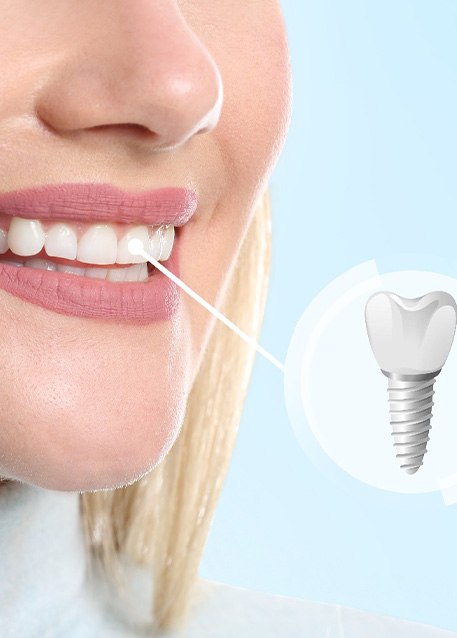
Placement surgery is key for dental implants, but it isn't the endpoint of treatment. What follows is the recovery process – a phase that impacts whether your new teeth succeed. Even so, you needn't worry; our office can provide excellent dental implant post-op instructions here in Tampa. These guidelines will help your smile heal quickly and properly, ensuring your final restorations look and work great. Read on to learn about them in detail, or call us to hear more.
What to Do Directly After Dental Implant Surgery
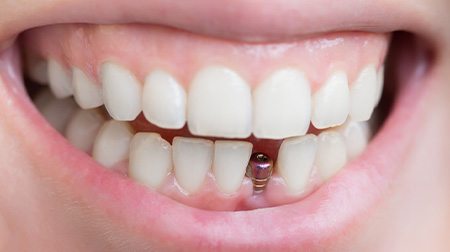
Right after your surgery ends, leave the forming blood clot alone; upsetting it will delay your recovery and cause other issues. That means you should do the following:
- In the first few days after placement, don’t touch your implant with your fingers or tongue.
- Refrain from using tobacco for at least twenty-four (24) hours after surgery.
- Avoid using drinking straws for several days, as suction can dislodge blood clots.
Common Side Effects When Recovering from Dental Implant Placement

You’ll likely experience some common (but harmless) side effects after implant placement. In particular, you may face:
- Swelling of Face and Gums – Sometimes, a patient’s face and gums will swell after the implant surgery. Apply a cold compress (or an ice pack) to the affected areas if this happens to you.
- Oral Pain – Once your surgery’s anesthesia wears off, your treatment site may ache. You can manage such soreness with store-bought pain relievers.
- Slight Bleeding – If your mouth bleeds slightly post-surgery, apply gauze and gentle pressure to the implant site.
Note that the effects above are temporary, even if unpleasant. They should fade within a few days at most; please call us if they don’t.
Your Diet After Dental Implant Surgery

Only have soft foods right after surgery, as hard ones could dislodge your blood clot. Good examples of such fare include:
- Soft Cheese
- Yogurt
- Scrambled Eggs
- (Non-hot) Soup
- Pasta
- Smoothies
- Mashed Potatoes
- Pudding
- Sweet Potatoes
- Ice Cream
You can (and should) resume a “normal” diet once you feel up to it. However, do continue to limit the crunchy and tough foods you eat. Avoid chewing directly on the implant site as well.
Post-Op Health & Oral Hygiene

You should always keep your mouth clean and healthy, even as you recover from implant surgery. Therefore, please follow the post-op hygiene rules below:
- When brushing twice daily and flossing once daily, be careful of the surgical site(s).
- Please rinse your mouth with salt water twice or thrice daily. If necessary, you can substitute a prescription mouthwash for the salt water.
- Don’t use brands of mouthwash like Scope or Listerine, as they contain a high level of alcohol.
What to Do After Your New Teeth Are Attached
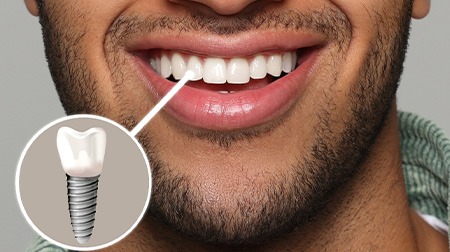
Once we’ve attached your implant’s crown, bridge, or denture, you’ll be through your treatment’s hardest part. You won’t (or at least shouldn’t) face anything “worse” than gum sensitivity from then on. Indeed, not even symptoms like swelling, bleeding, or pressure should occur by that point. You can just enjoy your restored smile without any worries!