
Sedation Dentistry Tampa
Stay Relaxed During Your Dental Implant Procedure
We’ll do everything we can to help you stay as safe and comfortable as possible during your dental implant surgery. Even so, you may still be nervous about the procedure. Fortunately, thanks to sedation dentistry, Dr. Elikofer and Dr. Holcombe can soothe your feelings of anxiety and help you have a more positive dental implant experience. Give us a call today if you’re interested in learning more about our sedation options.
Why Choose Florida Digital Implants for Sedation Dentistry?
- Multiple Forms of Sedation Available
- Knowledgeable Dental Implant Experts
- Comfortable, Welcoming Office
Nitrous Oxide Sedation
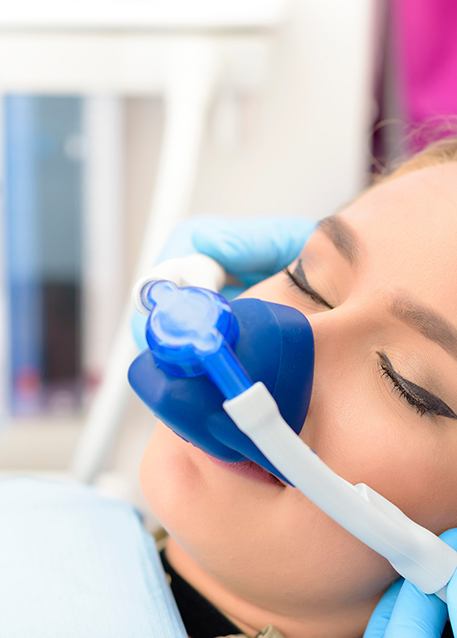
Do you feel mild anxiety, stress, and worry in the treatment chair? If so, we may suggest nitrous oxide! This calming solution has been used for decades and, if you’re wondering why you haven’t heard of it before, it’s because it’s commonly referred to as “laughing gas.” If you are interested in finding out if you’re a candidate, get in touch with our Tampa dental team. You’re also welcome to read on to learn more about this calming solution, including how it works.
Who is a Good Candidate for Nitrous Oxide?
In order to determine if you’re a good candidate for dental nitrous oxide in Tampa, we need to first review your medical history, any allergies you have, and the level of anxiety you experience. The good news is that nitrous oxide is an option for the vast majority of patients. If we determine that it’s not ideal for you because you are allergic or you have a condition that makes it difficult to breathe through your nose, like asthma, then we will find another way to give you the positive, calm, and comfortable experience you deserve at our office.
How Does Nitrous Oxide Work?
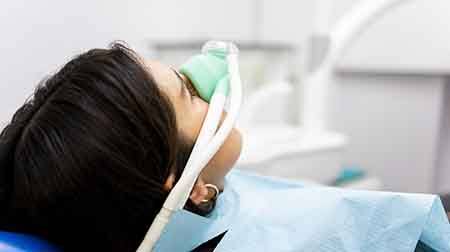
Nitrous oxide is administered through a small mask, which will be placed over your nose once you settle comfortably into the treatment chair. Within minutes, you should start to feel more relaxed. Many patients describe feeling light, happy, and, of course, anxiety-free.
It’s important that we mention here that you’ll remain awake throughout your entire treatment. As a result, asking any questions you have and responding to any instructions we give you is easy.
Aftercare for Nitrous Oxide
Once your treatment is complete, we’ll remove the mask. It should only take a few minutes for the effects of the nitrous oxide to wear off. So, you don’t need to take the rest of the day off of work, deal with lingering grogginess, or arrange for someone you know and trust to drive you to and from your appointment.
Oral Conscious Sedation

Compared to other forms of sedation dentistry, oral conscious sedation is relatively simple; all you need to do is take a pill before your appointment! On top of that, the level of relaxation it offers is deeper than that provided by nitrous oxide sedation, making it suitable for those with stronger feelings of anxiety when it comes to dental work of any kind. Here’s a closer look at how oral conscious sedation works and what can make it a good fit for you.
What is Oral Conscious Sedation?

Oral conscious sedation utilizes Valium, Ativan, Halcion, or a similar type of medication that can put you in a highly relaxed state. The medication will come in the form of a pill that you will receive before your procedure. Our team will tell you when to take the medication so that the effects kick in before your procedure is scheduled to start.
Many patients prefer oral conscious sedation over other types of sedation. For one thing, unlike IV sedation, it does not involve any needles. It can also be a more comfortable option for those who don’t like wearing a nasal mask for nitrous oxide sedation.
How Does Oral Conscious Sedation Work?

You should normally start to feel the effects of oral conscious sedation within 15 minutes of taking the pill. The medication will not put you to sleep, but it will cause you to feel deeply relaxed to the point where you are unbothered by anything going on around you. In many cases, you may find that you don’t remember much of what happened during your treatment.
You won’t be able to drive by yourself while you’re under the effects of the sedative. As such, you should plan on asking a friend or loved one to drive you to our office. They will also need to take you home, as it can take several hours for oral conscious sedation to completely wear off.
Who is a Good Candidate for Oral Conscious Sedation?

It should be noted that certain health conditions (such as pregnancy, heart problems, and allergies to certain kinds of medication) could affect your candidacy for oral conscious sedation. As such, our team will need to review your health history carefully in order to make sure that this form of sedation is the right choice for you.
That being said, if you do qualify for oral conscious sedation, it can be highly beneficial if:
- You are anxious or afraid about having any sort of dental work performed.
- You have a history of negative experiences that have left you reluctant to pursue any form of dental treatment.
- You have a stronger-than-normal gag reflex.
- You need multiple treatments or one particularly complex treatment.
- Your mouth tends to be resistant to local anesthesia.
- You often have trouble sitting still for extended periods.
IV Dental Sedation
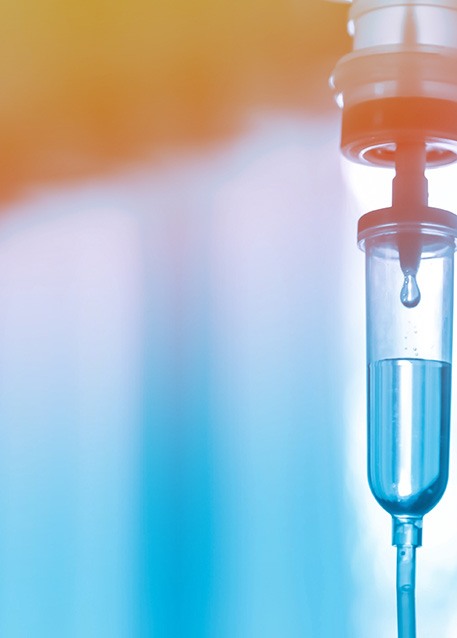
For patients undergoing complex procedures or those who suffer from severe dental fear, IV dental sedation can be an excellent solution. With this method, your sedative will be delivered directly to your bloodstream, so it will take effect quickly. While it won’t put you to sleep, you may not remember much about your treatment once complete.
During your treatment, our team will closely monitor your vitals. If necessary, we can adjust the level of sedation to ensure you remain calm and comfortable. After your procedure has ended, you will still experience some effects of sedation and will need to have a trusted friend or family member bring you home. You should also plan on resting for the rest of the day.
To learn more about whether you qualify for IV sedation, call us today for more information, as your dentist will need to review your overall health history to ensure that you are a good candidate.
What Is IV Dental Sedation?

Intravenous (IV) dental sedation is delivered directly to your bloodstream, so the effects begin working quickly. Sometimes referred to as “twilight” sedation because patients still remain conscious, most won’t remember much about their procedure, and may even feel like they’re unconscious. IV dental sedation puts patients into a deep state of relaxation, more so than other methods of sedation.
While under IV sedation, our dental team will monitor your vitals (including blood pressure, oxygen levels, body temperature, and heart rate) the entire time to ensure that you are safe. The effects of this treatment can take up to an entire day to wear off, so it is extremely important that you have a prearranged ride home with a trusted friend or family member.
Typically, the sedatives used for this method are Midazolam and Diazepam. The exact dosage will vary depending on the patient.
Please note that IV sedation will not completely eliminate the pain from your procedure. It will only dull the senses and help you forget about the appointment. Your dentist will still need to use other methods to numb your mouth to ensure you are completely comfortable during treatment if necessary.
Who Is a Good Candidate for IV Dental Sedation?
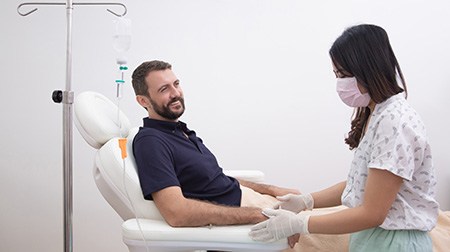
IV dental sedation is typically recommended for patients who are undergoing long or intensive treatments, or who have severe dental anxiety or phobia. It can also be extremely beneficial for those with a sensitive and severe gag reflex that makes dental work difficult to get through, or who have trouble getting numb.
Prior to receiving IV sedation, your dentist will discuss your medical history to ensure that you don’t have any allergies to the medication, and that IV sedation is a safe choice for you.
The Benefits of IV Dental Sedation
There are many amazing benefits to IV dental sedation, including:
- The deep state of relaxation this method creates can help prevent more traumatizing dental memories that could prevent patients from returning to the dentist due to overstimulation, phobia, or other concerns.
- Because it is administered directly into the bloodstream, the effects take place quickly.
- Our dentist and dental team can easily control the flow of the medication to adjust as necessary, which is not possible with oral conscious sedation.
- It can improve the oral health of patients who typically avoid dental treatment due to overwhelming fear or anxiety.
Sedation Dentistry FAQs
Is Sedation Dentistry Safe?
Yes, sedation dentistry is generally considered safe for most patients! Nitrous oxide, in particular, is the safest option for the majority of people and is well-tolerated. Rest assured – our doctors will review your medical history and any medications to identify potential interactions before administering a sedative.
Throughout the procedure, our team will closely monitor your vital signs (i.e., blood pressure, heart rate, and oxygen levels) to ensure your safety. Additionally, we’ll ensure the process is handled professionally and with care. If you have any concerns, don’t hesitate to ask us for details about our available sedation options before proceeding.
Is Sedation Dentistry Worth It?
Absolutely, especially for patients with severe dental anxiety or those who require extensive dental work, like dental implants. It helps make the procedure more comfortable and manageable. Although the cost of sedation may be a concern, delaying necessary dental care can lead to more complicated and costly treatments in the future.
Ultimately, sedation can make dental visits less stressful, improve the experience, and help maintain your oral health over time. It’s often a smart investment for both your comfort and long-term dental care.
Will I Feel Any Pain with Dental Sedation?
With dental sedation, the level of pain you experience depends on the type of sedation used. For example, nitrous oxide sedation and oral conscious sedation will relax you but not put you to sleep. The sedative helps suppress your body’s ability to register pain. Any discomfort you might feel is typically more like pressure rather than actual pain.
Additionally, we may use a local anesthetic to numb the treatment area, further ensuring that you don’t experience pain during the procedure. Overall, dental sedation helps make your treatment more comfortable with minimal risk of pain.
Can Dental Sedation Make You Sick?
While it’s possible to feel a bit nauseous from dental sedation, it’s generally uncommon. For instance, nitrous oxide has a very low risk of causing nausea. The longer the gas is used, the slightly higher the chance – but it’s still rare.
Meanwhile, oral conscious and IV sedation carry a slightly higher risk. We’ll likely advise you not to eat for a few hours beforehand. If going without food is difficult, scheduling a morning appointment may help. Be sure to let us know in advance if you’re prone to nausea. They may be able to give you anti-nausea medication to help keep you comfortable during and after the procedure.